
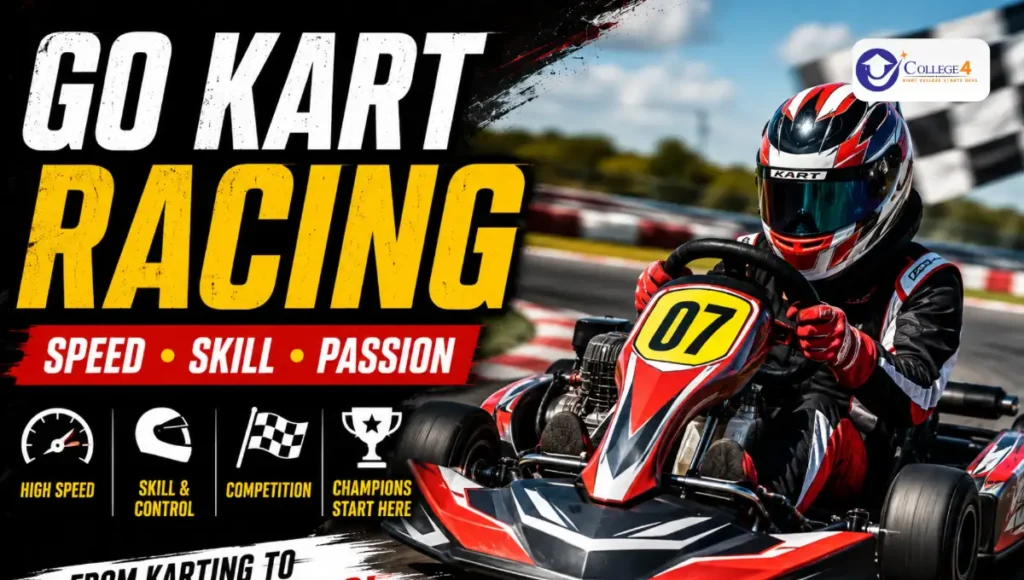
Go kart racing, also known as karting, is one of the most exciting and accessible forms of motorsport in the world. Although many people think of simple recreational go-karts seen at amusement parks or hardware stores, professional kart racing is a completely different experience. Competitive go-karts are built for speed, control, and racing performance, making karting the starting point for many professional racing careers.
In fact, several famous motorsport drivers, including Jeff Gordon and Danica Patrick, began their careers in kart racing before moving into larger racing competitions.
Modern go kart racing combines speed, strategy, engineering, and driving skill. Some racing karts can reach speeds of over 100 mph (160 km/h), making the sport both thrilling and highly competitive.
This article explains how go kart racing works, the different types of karts, racing tracks, safety rules, engine types, and why karting has become one of the most popular entry-level motorsports worldwide.
What Is Go Kart Racing?
Go kart racing is a motorsport that involves small, lightweight racing vehicles called karts competing on specially designed tracks.
Unlike recreational go-karts used for casual fun, racing karts are:
- Faster
- Lighter
- More powerful
- Built specifically for competition
Kart racing is considered the foundation of professional motorsport because it teaches drivers:
- Vehicle control
- Racing lines
- Braking techniques
- Cornering skills
- Race strategy
Many professional Formula 1, NASCAR, and IndyCar drivers started their journey in kart racing.
History of Kart Racing
Kart racing began in the United States during the 1950s.
The first racing kart was built in 1956 by Art Ingels, who is often called the father of karting.
Soon after:
- Kart racing gained popularity rapidly
- Racing clubs and associations were formed
- Official rules and competitions were introduced
Organizations such as the World Karting Association helped promote and regulate the sport.
Today, kart racing is a global motorsport enjoyed by both beginners and professional racers.
Why Go Kart Racing Is Popular
Kart racing has become extremely popular because it offers:
- Affordable entry into motorsports
- High-speed excitement
- Competitive racing opportunities
- Skill development for young drivers
- Fun for all age groups
Children can often begin karting at a very young age, while professional competitive racing usually starts around age 8.
Kart racing is also safer and less expensive compared to larger motorsport categories.
Types of Racing Karts
Competitive kart racing includes several types of karts designed for different racing conditions and track styles.
The three main types are:
- Sprint karts
- Oval karts
- Enduro karts
1. Sprint Karts
Sprint karts are the most common type used in kart racing.
These karts are designed for:
- Quick acceleration
- Sharp turning
- Fast lap times
Sprint races are usually held on:
- Road-course style tracks
- Tracks with both left and right turns
Sprint kart racing focuses heavily on:
- Braking
- Cornering
- Driver precision
These karts are commonly used by beginners and professional racers alike.
2. Oval Karts
Oval karts are specifically designed for oval-shaped tracks.
These tracks feature:
- Continuous turning in one direction
- Tight corners
- Dirt or asphalt surfaces
Oval kart racing is especially popular in parts of the United States where NASCAR-style racing is common.
The kart chassis is adjusted to improve:
- Cornering stability
- Balance
- Grip during continuous turns
3. Enduro Karts
Enduro karts are the fastest category in kart racing.
These karts are built for:
- Long-distance races
- High-speed endurance events
Features of enduro karts include:
- Low aerodynamic body design
- Reclined driver position
- Sometimes dual engines for extra speed
Enduro races may last:
- 30 minutes
- 1 hour
- Or even longer
These karts can average speeds above 90 mph (145 km/h).
Engine Types Used in Go Karts
Early racing karts used modified lawnmower engines. However, modern kart engines are specially designed for racing performance.
Most racing karts use:
- 2-stroke engines
or - 4-stroke engines
Engine power generally ranges from:
- 5 horsepower
to - 30 horsepower
Depending on the kart type, speeds may range between:
- 45 mph
to - 100+ mph
The lightweight design of karts allows them to achieve impressive acceleration and speed despite their small engines.
Size and Design of Racing Karts
Racing karts are compact and lightweight vehicles.
Typical specifications include:
- Length: Around 72 inches
- Width: Around 50 inches
- Weight: Approximately 150 pounds without driver
Unlike regular cars, most racing karts:
- Do not use suspension systems
- Sit very low to the ground
- Use lightweight racing frames
This design improves:
- Speed
- Handling
- Aerodynamics
How Go Kart Racing Works
Kart racing works similarly to professional motorsports but on a smaller scale.
Drivers compete by completing laps around a track while trying to finish ahead of opponents.
Races usually involve:
- Practice sessions
- Qualifying rounds
- Heat races
- Final races
The winner is determined by:
- Fastest lap times
or - Finishing position
Drivers must master:
- Braking points
- Cornering lines
- Acceleration timing
- Overtaking techniques
Kart racing requires both physical skill and mental focus.
Types of Kart Racing Tracks
Different kart types race on different track designs.
1. Sprint Tracks
Sprint tracks are the most common kart racing circuits.
Features include:
- Both left and right turns
- Asphalt surfaces
- Short lap distances
Track lengths are usually:
- 1/4 mile
to - 1/2 mile
Sprint races typically last:
- 10 to 15 laps
2. Oval Tracks
Oval tracks are shorter and feature continuous turning.
These tracks may use:
- Dirt
- Clay
- Sand
- Asphalt
Soft dirt tracks are especially popular in oval kart racing.
3. Enduro Tracks
Enduro races are held on larger race circuits.
Some events even take place at famous motorsport venues such as Daytona International Speedway.
These tracks allow:
- High-speed racing
- Long endurance sessions
- Advanced racing strategy
Safety in Go Kart Racing
Safety is extremely important in kart racing.
Drivers must wear:
- Racing helmets
- Gloves
- Racing suits
- Neck protectors
- Rib guards
Tracks also include:
- Safety barriers
- Runoff areas
- Emergency support teams
Although kart racing involves high speeds, strict safety standards help reduce risks significantly.
Skills Learned Through Kart Racing
Kart racing teaches many valuable driving and competitive skills.
These include:
- Vehicle control
- Hand-eye coordination
- Reaction timing
- Racing strategy
- Concentration
- Discipline
Because of this, karting is often considered the perfect training ground for future professional racers.
Cost of Go Kart Racing
Kart racing costs can vary depending on the competition level.
Basic beginner racing karts may cost:
- $2,000 to $5,000
Additional expenses include:
- Safety equipment
- Tires
- Fuel
- Track fees
- Maintenance
- Transportation
Professional racing categories can become much more expensive over time.
Advantages of Go Kart Racing
Kart racing offers many benefits for both children and adults.
Exciting Motorsport Experience
Karting provides high-speed excitement and competitive racing action.
Develops Driving Skills
Drivers learn precision handling and racing techniques.
Entry Point to Professional Racing
Many professional racers begin with karting.
Suitable for All Ages
Karting has age categories for children, teenagers, and adults.
Builds Confidence and Discipline
The sport improves focus, confidence, and competitive spirit.
Conclusion
Go kart racing is one of the most exciting and accessible forms of motorsport in the world. What may appear to be a simple recreational activity is actually a highly competitive sport involving speed, strategy, engineering, and driver skill.
From sprint karts and oval racing to high-speed enduro competitions, karting offers a wide range of racing experiences for all age groups. Modern racing karts are lightweight, powerful, and capable of impressive performance on specially designed tracks.
Beyond the excitement, kart racing also serves as the foundation for many professional motorsport careers. It teaches essential driving skills, discipline, and race strategy while offering a thrilling competitive environment.
As kart racing continues to grow worldwide, it remains one of the best ways for beginners and future champions to enter the world of motorsports.