
Navratri is one of the most celebrated Hindu festivals in India. Dedicated to Goddess Durga and her nine divine forms, this festival is celebrated with great devotion, enthusiasm and happiness. During the nine days of Navratri, devotees worship Maa Durga, observe fasts, perform special pujas and participate in traditional Garba and Dandiya celebrations.
One of the most interesting traditions of this festival is wearing a different colour on each of the nine days. Every colour represents a particular meaning, such as strength, prosperity, purity, happiness, peace and positivity.
If you are searching for Navratri Colours 2026, here you will find the complete day-wise colour list, dates, names of the nine forms of Goddess Durga, the significance of each colour and outfit ideas.
In 2026, Sharad Navratri will begin on Sunday, 11 October 2026, and continue until Monday, 19 October 2026. Vijayadashami (Dussehra) will be celebrated on Tuesday, 20 October 2026. Drikpanchang+1
Navratri Colours 2026: 9 Days Colour List with Dates
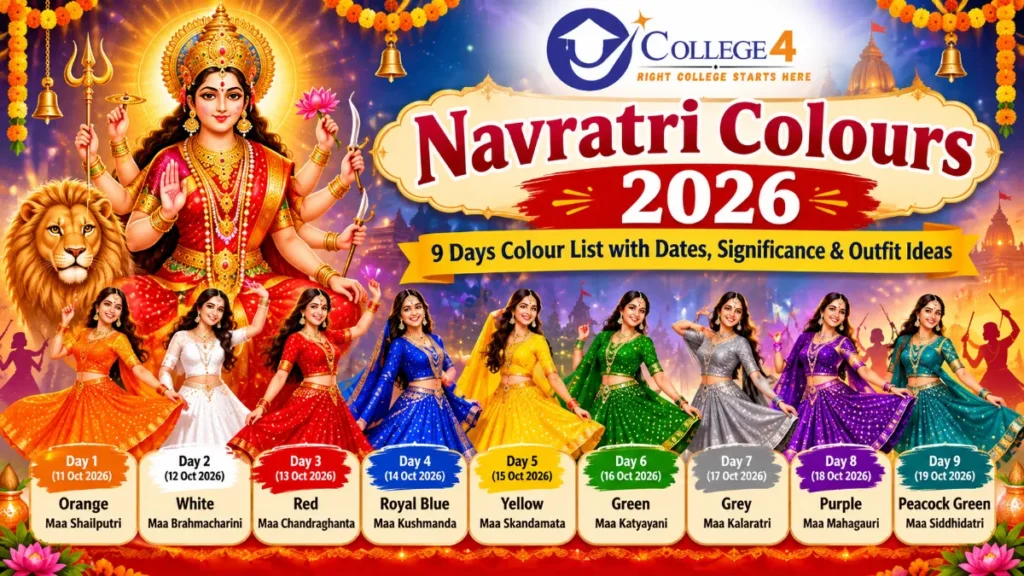
Here is the complete list of nine Navratri colours 2026 with their corresponding dates and Goddess Durga names.
| Navratri Day | Date | Colour | Goddess |
|---|---|---|---|
| Day 1 | 11 October 2026 | Orange | Maa Shailputri |
| Day 2 | 12 October 2026 | White | Maa Brahmacharini |
| Day 3 | 13 October 2026 | Red | Maa Chandraghanta |
| Day 4 | 14 October 2026 | Royal Blue | Maa Kushmanda |
| Day 5 | 15 October 2026 | Yellow | Maa Skandamata |
| Day 6 | 16 October 2026 | Green | Maa Katyayani |
| Day 7 | 17 October 2026 | Grey | Maa Kalaratri |
| Day 8 | 18 October 2026 | Purple | Maa Mahagauri |
| Day 9 | 19 October 2026 | Peacock Green | Maa Siddhidatri |
Source: Popular Sharad Navratri 2026 colour calendar. Regional traditions may follow different colour sequences. KaalPanchang+2
Significance of 9 Navratri Colours 2026
Each day of Navratri has a special colour associated with it. These colours are traditionally connected with positive qualities and the spiritual significance of the festival.
Let’s understand the meaning of all nine Navratri colours and which colour you should wear each day.
Day 1 – Orange Colour (11 October 2026)
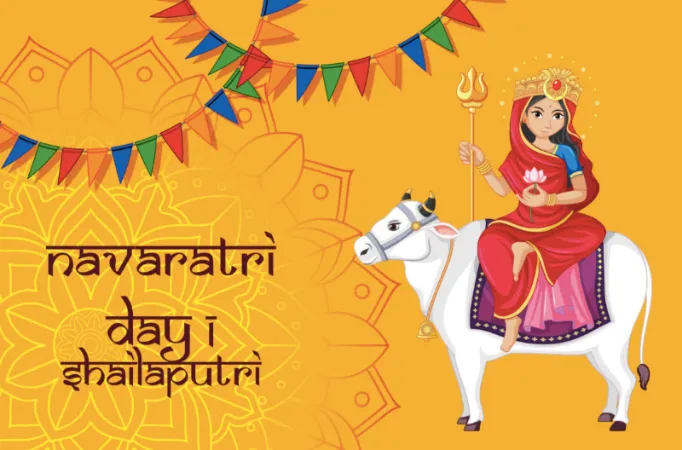
Goddess: Maa Shailputri
Colour: Orange
The first day of Navratri is dedicated to Maa Shailputri, the first form of Goddess Durga. She is worshipped as the daughter of the Himalayas and represents strength, devotion and purity.
Orange is associated with energy, enthusiasm, warmth and positivity. Wearing orange on the first day of Navratri symbolises confidence, happiness and spiritual energy.
What to Wear on Day 1:
- Orange saree or salwar suit
- Orange kurti with traditional jewellery
- Orange lehenga for Garba celebrations
- Orange dupatta with ethnic wear
Significance: Orange represents enthusiasm, courage and positive energy.
Day 2 – White Colour (12 October 2026)
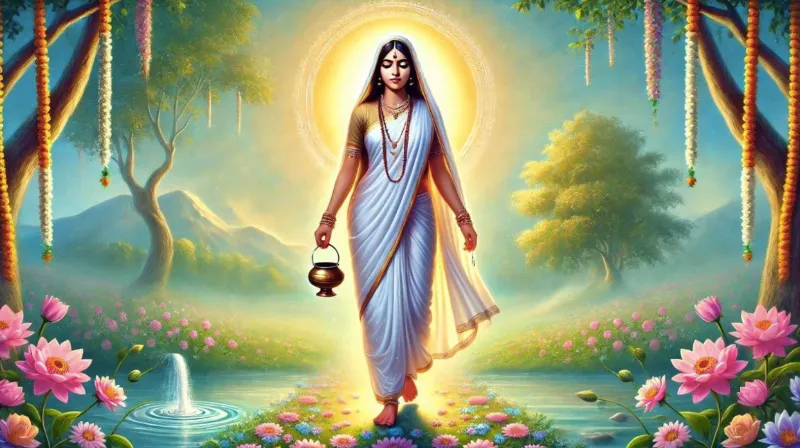
Goddess: Maa Brahmacharini
Colour: White
The second day of Navratri is dedicated to Maa Brahmacharini, who represents devotion, dedication, wisdom and spiritual strength.
White is considered a symbol of peace, purity, simplicity and calmness. Devotees wear white clothing to express their faith and seek blessings for a peaceful and happy life.
What to Wear on Day 2:
- White cotton saree
- White kurta with colourful embroidery
- White Anarkali suit
- White traditional dress with silver jewellery
Significance: White symbolises peace, purity, simplicity and spiritual growth.
Day 3 – Red Colour (13 October 2026)
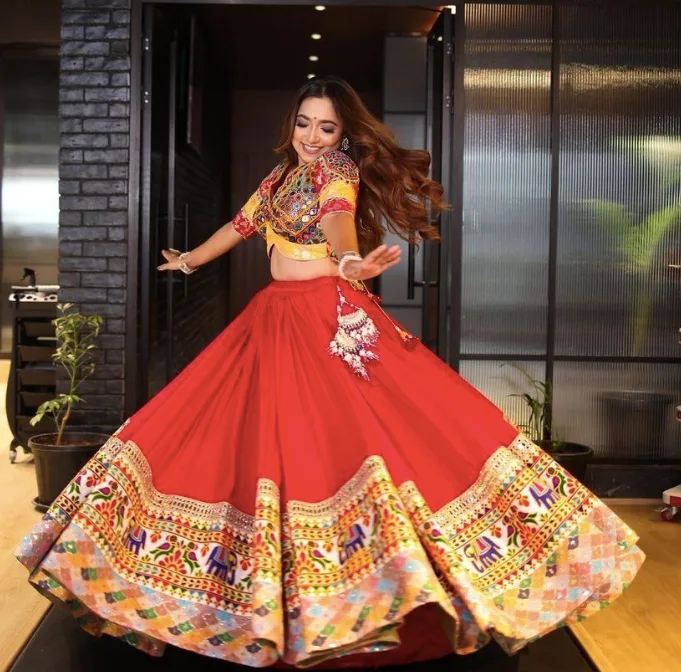
Goddess: Maa Chandraghanta
Colour: Red
The third day of Navratri is dedicated to Maa Chandraghanta. She is known for her courage, bravery and power to destroy negative energies.
Red is one of the most auspicious colours in Hindu traditions. It represents love, strength, passion, courage and prosperity.
Wearing red on this day symbolises devotion towards Goddess Durga and celebrates her powerful divine energy.
What to Wear on Day 3:
- Red saree with golden border
- Red lehenga choli
- Red Anarkali suit
- Red kurti with traditional accessories
Significance: Red represents strength, passion, courage and prosperity.
Day 4 – Royal Blue Colour (14 October 2026)
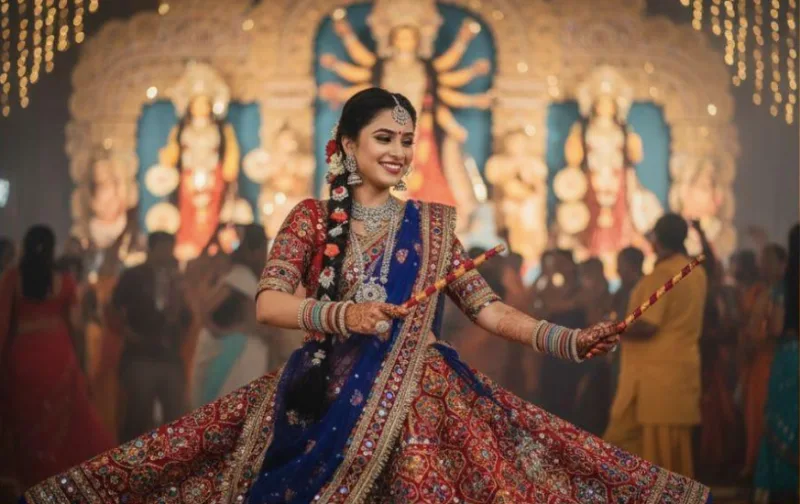
Goddess: Maa Kushmanda
Colour: Royal Blue
The fourth day of Navratri is dedicated to Maa Kushmanda, who is believed to have created the universe with her divine smile. She represents creativity, health, energy and prosperity.
Royal blue is associated with elegance, confidence, richness and stability. Wearing royal blue on this day symbolises strength, calmness and inner confidence.
What to Wear on Day 4:
- Royal blue saree
- Blue lehenga with traditional embroidery
- Royal blue kurta set
- Blue Anarkali suit
Significance: Royal blue represents elegance, confidence, stability and prosperity.
Day 5 – Yellow Colour (15 October 2026)
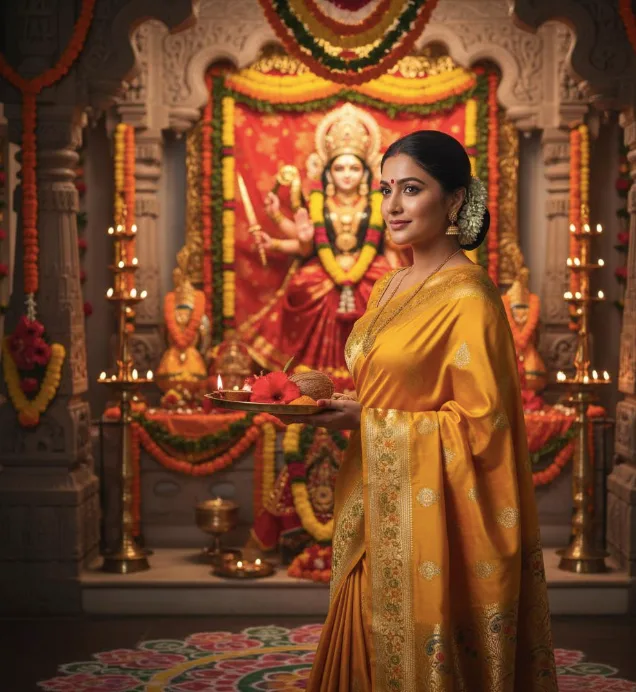
Goddess: Maa Skandamata
Colour: Yellow
The fifth day of Navratri is dedicated to Maa Skandamata, the mother of Lord Kartikeya, also known as Skanda. She represents motherhood, compassion, love and protection.
Yellow is associated with happiness, knowledge, optimism and positivity. It is considered an auspicious colour that brings warmth and brightness to celebrations.
What to Wear on Day 5:
- Yellow saree
- Yellow kurti with white leggings
- Yellow lehenga choli
- Yellow salwar kameez
Significance: Yellow represents happiness, knowledge, optimism and positivity.
Day 6 – Green Colour (16 October 2026)
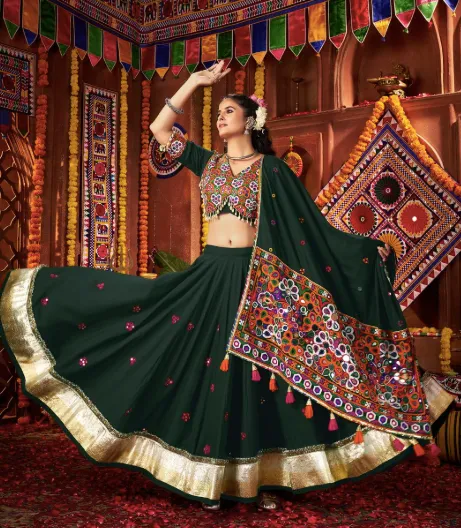
Goddess: Maa Katyayani
Colour: Green
The sixth day of Navratri is dedicated to Maa Katyayani, one of the powerful forms of Goddess Durga. She represents courage, bravery and the destruction of evil.
Green is associated with nature, growth, harmony, fertility and prosperity. Wearing green on this day symbolises new beginnings, freshness and positive development.
What to Wear on Day 6:
- Green saree with golden jewellery
- Green lehenga choli
- Green Anarkali suit
- Green kurti with traditional accessories
Significance: Green represents growth, harmony, prosperity and freshness.
Day 7 – Grey Colour (17 October 2026)
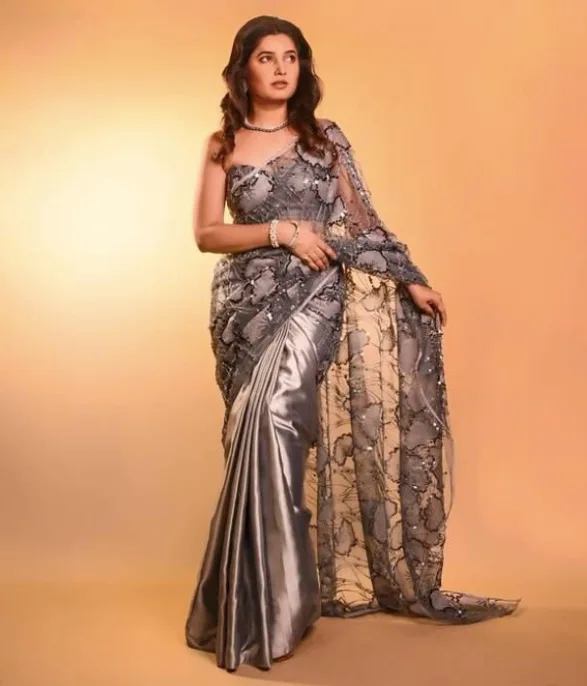
Goddess: Maa Kalaratri
Colour: Grey
The seventh day of Navratri is dedicated to Maa Kalaratri, one of the fiercest forms of Goddess Durga. She is worshipped for protecting devotees from evil forces and removing fear and negativity.
Grey represents balance, stability, patience and strength. It symbolises the ability to remain calm and confident during difficult situations.
What to Wear on Day 7:
- Grey saree with silver accessories
- Grey kurti with matching dupatta
- Grey lehenga
- Grey traditional suit
Significance: Grey represents balance, patience, stability and inner strength.
Day 8 – Purple Colour (18 October 2026)
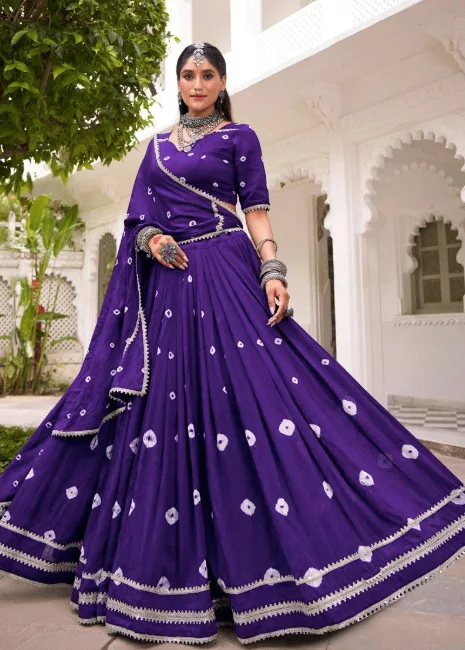
Goddess: Maa Mahagauri
Colour: Purple
The eighth day of Navratri is dedicated to Maa Mahagauri, who represents purity, peace, compassion and kindness. Devotees worship her to seek happiness, prosperity and spiritual blessings.
Purple is associated with royalty, dignity, luxury and spiritual awareness. It is a beautiful colour that symbolises elegance and devotion.
What to Wear on Day 8:
- Purple saree
- Purple lehenga choli
- Purple Anarkali suit
- Purple kurti with traditional jewellery
Significance: Purple represents royalty, elegance, dignity and spirituality.
Day 9 – Peacock Green Colour (19 October 2026)
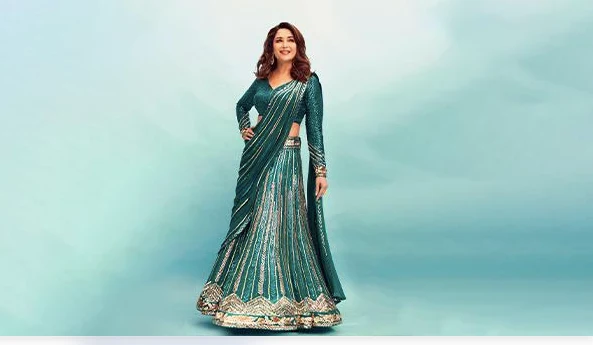
Goddess: Maa Siddhidatri
Colour: Peacock Green
The ninth and final day of Navratri is dedicated to Maa Siddhidatri, the ninth form of Goddess Durga. She is worshipped as the goddess who blesses devotees with wisdom, spiritual knowledge and divine abilities.
Peacock green is associated with beauty, prosperity, freshness and harmony. Wearing this colour on the final day symbolises positivity, spiritual fulfilment and the completion of the nine-day celebration.
What to Wear on Day 9:
- Peacock green saree
- Peacock green lehenga choli
- Green Anarkali suit
- Peacock green kurti with traditional accessories
Significance: Peacock green represents prosperity, harmony, beauty and spiritual fulfilment.
Why Are Different Colours Worn During Navratri?
Wearing different colours during Navratri is a popular cultural tradition followed by devotees across different parts of India.
Each colour is associated with a particular day and represents different positive qualities. Many devotees wear the designated colour to express their devotion towards Goddess Durga.
Here are some important reasons behind the nine-colour tradition:
- Spiritual Significance: Each colour represents a positive quality, such as courage, peace, happiness and prosperity.
- Devotion to Goddess Durga: Wearing the colour of the day is a way of expressing devotion and respect towards Maa Durga.
- Cultural Tradition: The colour tradition adds excitement and unity to Navratri celebrations.
- Festive Celebration: People enjoy planning different outfits for all nine days.
- Positive Energy: Different colours are traditionally associated with positivity, confidence and happiness.
It is important to remember that wearing a particular colour is a cultural tradition and not a compulsory requirement for Navratri puja.
How to Celebrate Navratri 2026?
Navratri is celebrated in different ways across India. From traditional worship to colourful dance performances, the festival brings families and communities together.
Some popular ways to celebrate Navratri include:
- Ghatasthapana: Begin Navratri by performing Kalash Sthapana according to the prescribed rituals.
- Daily Durga Puja: Worship the nine forms of Goddess Durga during the nine days.
- Fasting: Many devotees observe fasts and follow traditional dietary practices.
- Wear Daily Navratri Colours: Choose the colour associated with each day.
- Garba and Dandiya: Participate in traditional Gujarati folk dances.
- Kanya Pujan: Worship young girls as manifestations of Goddess Durga, according to family traditions.
- Offer Prasad: Prepare and offer traditional food to the Goddess.
Frequently Asked Questions (FAQs)
What are the Navratri colours 2026?
The nine Navratri colours for 2026 are orange, white, red, royal blue, yellow, green, grey, purple and peacock green. Each colour is associated with one of the nine days of Sharad Navratri.
When will Sharad Navratri start in 2026?
Sharad Navratri 2026 will begin on Sunday, 11 October 2026, with Ghatasthapana.
What is the colour of the first day of Navratri 2026?
Orange is the colour of the first day of Navratri 2026, which falls on 11 October. The first day is dedicated to Maa Shailputri.
Which colour should I wear on Day 2 of Navratri 2026?
White is the colour for Day 2, 12 October 2026. It represents peace, purity and simplicity.
What is the colour of the last day of Navratri 2026?
Peacock green is the popular colour associated with Day 9 of Navratri 2026, falling on 19 October.
Why are nine different colours worn during Navratri?
Each colour represents different positive qualities, such as strength, peace, happiness, prosperity and devotion. Wearing these colours is a popular way of celebrating the nine days of Navratri.
When is Dussehra in 2026?
Dussehra, also known as Vijayadashami, will be celebrated on Tuesday, 20 October 2026.
Are Navratri colours the same every year?
No. The popular day-wise colour sequence changes every year according to the weekday on which Navratri begins. Some regional traditions may also follow different colour lists.
Conclusion
Navratri is a festival of devotion, happiness, positivity and spiritual strength. The nine colours of Navratri 2026 make each day of the celebration special and meaningful. From orange on the first day to peacock green on the ninth day, every colour represents a different quality associated with the divine energy of Goddess Durga.
Whether you are planning your traditional outfits, participating in Garba and Dandiya celebrations or preparing for daily puja, this complete Navratri Colours 2026 guide will help you find the right colour for each day.
May Goddess Durga bless everyone with happiness, good health, prosperity and success. Jai Mata Di!